Mental Health problems are on the rise. As per news reports, mental health issues have become a public health challenge, exacerbated by the COVID-19 pandemic which halted normal interactions and forced people in a lockdown, not just in the US, but all over the world. However, according to studies, social media has also become a contributor to the youth’s mental health crisis evidenced by the rise in cases of depression and anxiety. Just recently, according to NBC News, a jury found Meta and YouTube negligent in establishing safeguards to prevent, through warning, social media users from being addicted to Instagram. The plaintiff, only known by their initials, KGM, shared that because of their Instagram use since age 6, they spiraled into depression and experienced body image problems.
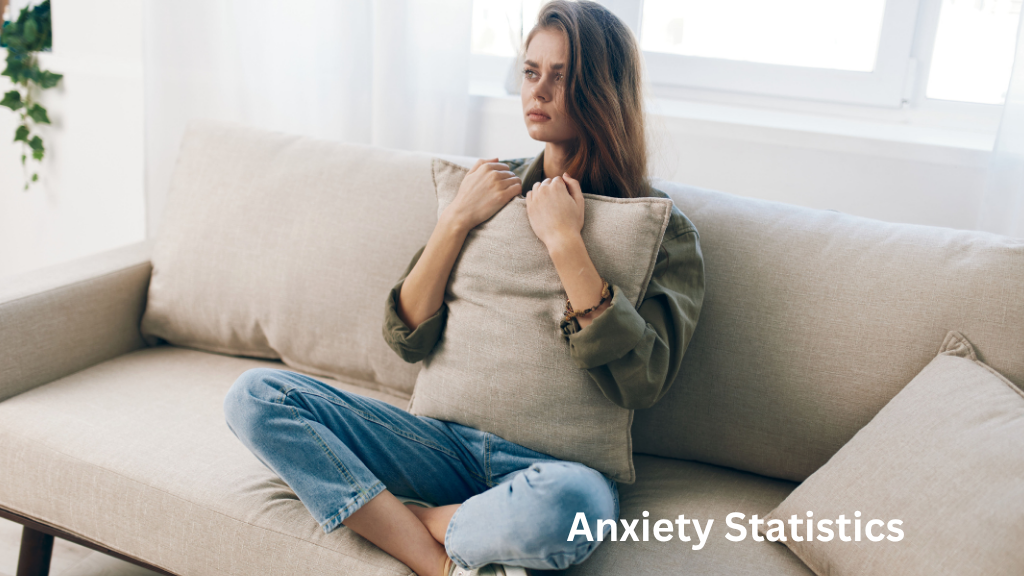
This is not an isolated case. For anxiety alone, a study published in the Journal of Affective Disorders reveal that almost half, to be exact, 44% of the US population have symptoms of anxiety. What this numbers mean is that roughly 154 million of the US population, aged 18 and above, have anxiety symptoms. Looking at the global scale, anxiety is the most common mental health problem. According the World Health Organization, 359 million had a lived experience of anxiety disorder in 2021, especially since that year is the height of the COVID-19 pandemic. But with the presence of a pandemic or without, anxiety disorder is still at the top of the totem pole when it comes to mental health problems.
A 2024 survey by the American Psychiatric Association highlighted factors that contribute to people having anxiety. Of the 44% of adults in the US who have symptoms of anxiety, 53% of these stated that stress is the biggest factor in them having mental health problems, like anxiety. The other 40% named the lack of sleep as a culprit in people experiencing anxiety symptoms. In addition, the rapid changing technology and the emergence of AI, which threatens job opportunities and even well-established employees already working in companies, is also an added contributor to people’s anxieties. According to the American Psychological Association, adults aged 18-35 had the highest prevalence of anxiety towards AI which is at 63%.
Anxiety disorder is not only unique to young adults, aged 18-35, and adults, aged 36-44. Even adolescents have a high prevalence of anxiety disorder. According to the National Institute of Mental Health (NIMH), 31.9% of adolescents in the US have anxiety disorder.
Out of the 31.9% adolescents who have anxiety disorder, a high number of females experience symptoms of anxiety pegged at 38% compared to males’ number which is at 21%. What this means is that there are social factors that affect females on how and where they live, and their perception of safety in the spaces where they occupy. While adolescent males experience anxiety symptoms, the prevalence of adolescent females’ statistic is alarming.
When it comes to race, though this data dates back seven years ago, the number show that non-Hispanic white adults had a high prevalence of anxiety with 16.5% of adults. This number is followed by white Hispanic at 14.5%, and then non-Hispanic black at 14.65. The least prevalence of anxiety are the non-Hispanic Asian individuals which is at 8.5%. At the time of this writing, there has been no updated statistic yet when it comes the prevalence of anxiety in terms of race and ethnicity.
The diagnosis of anxiety disorder is caused by a myriad of factors. One of which is the predisposition of a person towards mental illness because of hereditary factors. Others could be because of trauma, abuse, unstable work environment, social media use, and uncertainties in life. Although anxiety disorder is the most common of mental health problem in the US, the other side of the coin also holds hope: because more and more are seeking help, thus the increase in statistic, experts have developed anxiety interventions and management. The most important thing is to seek help from a mental health expert and adhere to the medical intervention to manage one’s anxiety disorder.
If you, or someone you know need urgent help, please call or text this number: 988, or chat online at 988lifeline.org
You may also go the nearest Emergency Room if you feel like you need medical help right away.
ADAA. (2022, October 28). Anxiety disorders – facts & statistics. Anxiety and Depression Association of America; ADAA. https://adaa.org/understanding-anxiety/facts-statistics
American Psychiatric Association. (2024, May 1). American Adults Express Increasing Anxiousness in Annual Poll; Stress and Sleep Are Key Factors Imp. Www.psychiatry.org. https://www.psychiatry.org/news-room/news-releases/annual-poll-adults-express-increasing-anxiousness
American Psychological Association. (2023, November). Stress in America 2023. Apa.org; American Psychological Association. https://www.apa.org/news/press/releases/stress/2023/collective-trauma-recovery
Dong, S., & Yang, A. (2026, March 25). Verdict reached in landmark social media addiction trial. NBC News. https://www.nbcnews.com/tech/tech-news/verdict-reached-landmark-social-media-addiction-trial-rcna263421
Kavelaars, R., Ward, H. E., Mackie, D., Modi, K., & Mohandas, A. (2023). The burden of anxiety among a nationally representative US adult population. Journal of Affective Disorders, 336(336), 81–91. https://doi.org/10.1016/j.jad.2023.04.069
Terlizzi, E., & Villarroel, M. (2020, September 21). Symptoms of Generalized Anxiety Disorder Among Adults: United States, 2019. Www.cdc.gov; National Center for Health Statistics. https://www.cdc.gov/nchs/products/databriefs/db378.htm