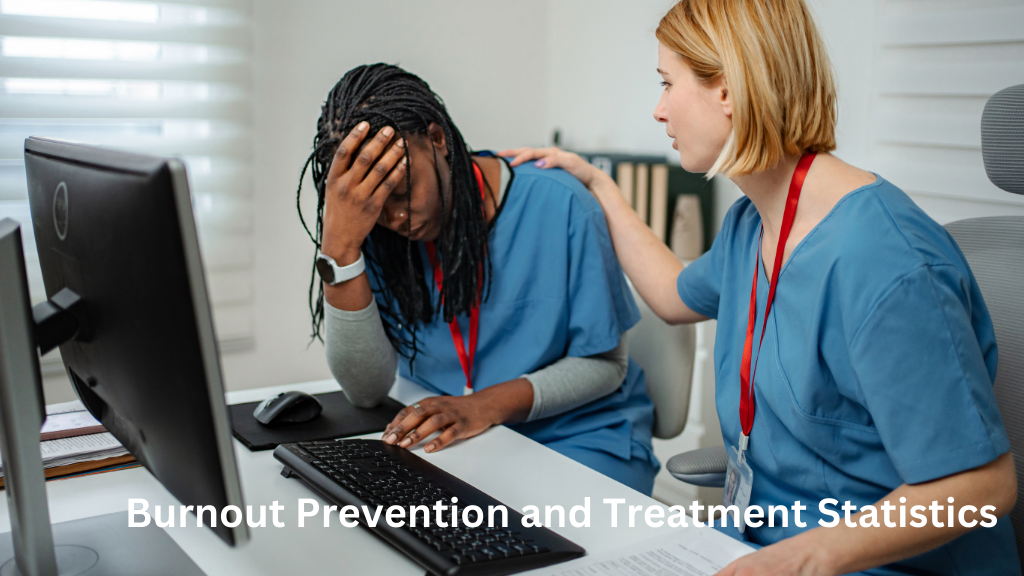

What is burnout? Most people feel it from time to time. It’s the seemingly ongoing dread of day to day life and the necessary chores with it. Burnout is complex in that it can occur physically, emotionally, and mentally. In many situations, it creates a very difficult lifestyle and, over time, can lead to emotional trauma and complications. If you are feeling as if you are burned out, perhaps from work, school, relationships, or other sources of stress, you are not alone.
The burnout statistics are clear and worrisome:
What does employee burnout do to a person? A study by the World Health Organization found that, of those who experience burnout related to work stress, they report the negative impacts include:
Burnout impacts many people. The more you know about it, why it happens, and what can be done about it, the better your chances are of overcoming it.
Burnout is emotional, physical, and mental exhaustion attributed directly to excessive or prolonged periods of stress. A person who feels stress for a significant amount of time may feel helpless, physically exhausted, and disillusioned with the reality of their life at that moment. Many times, a person will feel emotionally drained while also being overwhelmed.
Burnout can worsen over time as the stress continues. This leads to less ability to focus, a drop in motivation, and a loss of interest in the task, even when it is vitally important.
Signs and symptoms of burnout
Being burnt out can be attributed to numerous signs and symptoms, including physical, behavioral, and emotional changes. Consider the following:
Physical signs of burnout include:
Behavioral signs of burnout include:
Emotional signs of burnout include:
Stress and burnout are two very different factors. Burnout occurs as a result of significant, ongoing stress. Stress itself is not necessarily a bad thing when you incorporate improved overall strategies for improving mental health.
The biggest difference between stress and burnout is a person’s outlook. A person who is feeling stressed can still see that when things come under control, they will feel better. Those who are experiencing burnout cannot see any hope that positive change will occur or that their situation will improve.
Burnout occurs from an ongoing, relentless amount of stress. Many times, it comes from work-related activities though it can include burnout from providing physical support to others or work across all aspects of life. A stay at home parent can feel burnout just as much as a person that works 60 hours a week in a factory. The stress is different, but it remains very much the same in terms of outcome.
A person that is overworked and undervalued is at the highest risk for burnout. These are individuals who are constantly working hard or consistently but they are unable to take a break. Burnout is not just physical exhaustion, though. It is caused by the amount of downtime a person has, the outlook at the world, and the amount of support they receive.
Dealing with burnout is complex but absolutely worthwhile. By focusing on making some changes, it is possible to rebuild a healthy life with a better focus. Even if you continue to do the same type of work and the stress remains, dealing with burnout allows you to do so without such a negative impact on your quality of life. Here’s how to do so.
One of the most common aspects of being burnt out is being unable to get everything done and having a negative outlook on everything. You can only see the “bad” and a bleak future. The best way to gain more of a reality check is to have a conversation with other people. Consider these steps:
Think about how you see the work you do. It may feel boring, limiting to your quality of life, and even downright unfulfilling. Try to reframe that thought so that you can find more balance. Consider these steps:
The next step is to consider your own priorities. Your life is not meant to focus on work but to achieve things that make you happy and feeling satisfied. By readjusting your priorities, you can improve your view. Here are some steps:
Exercise is a big deal for stress. It helps to burn off the stress hormone, helping you to feel better but also giving you more energy in the process. You don’t have to run a marathon, especially when you are feeling exhausted, but consider these tips:
Your body needs nutrients to help it function at its best. That’s especially true for the brain. You can provide your brain with support to reduce negative outcomes in several ways:
When burnout is overwhelming you and impacting your quality of life, reaching out to a professional for help makes sense. They can offer insight into what could be causing it and what steps you can do to see improvement.
That is a sign of burnout. The best way to get back to work is to take a break, burn off some steam and energy, and then recenter yourself. Try to motivate yourself to accomplish a single task within 30 minutes. Then, take a short break.